

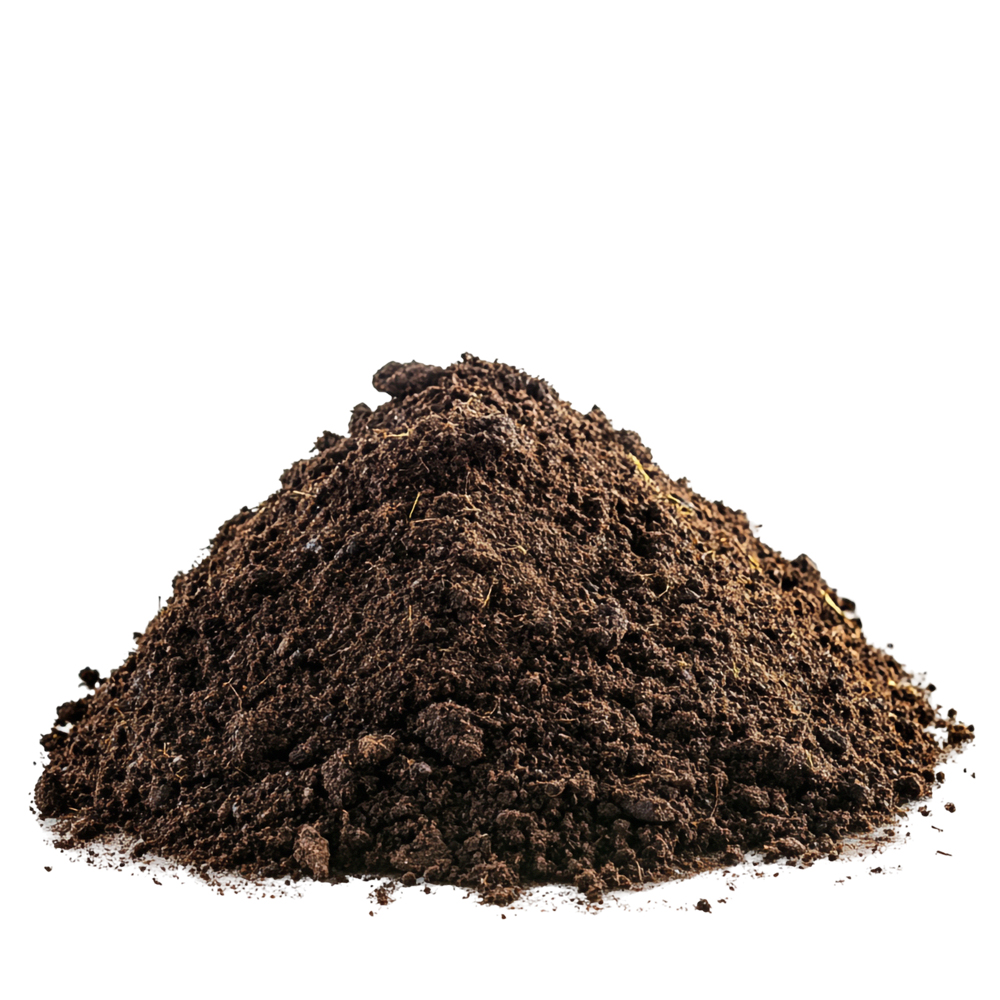
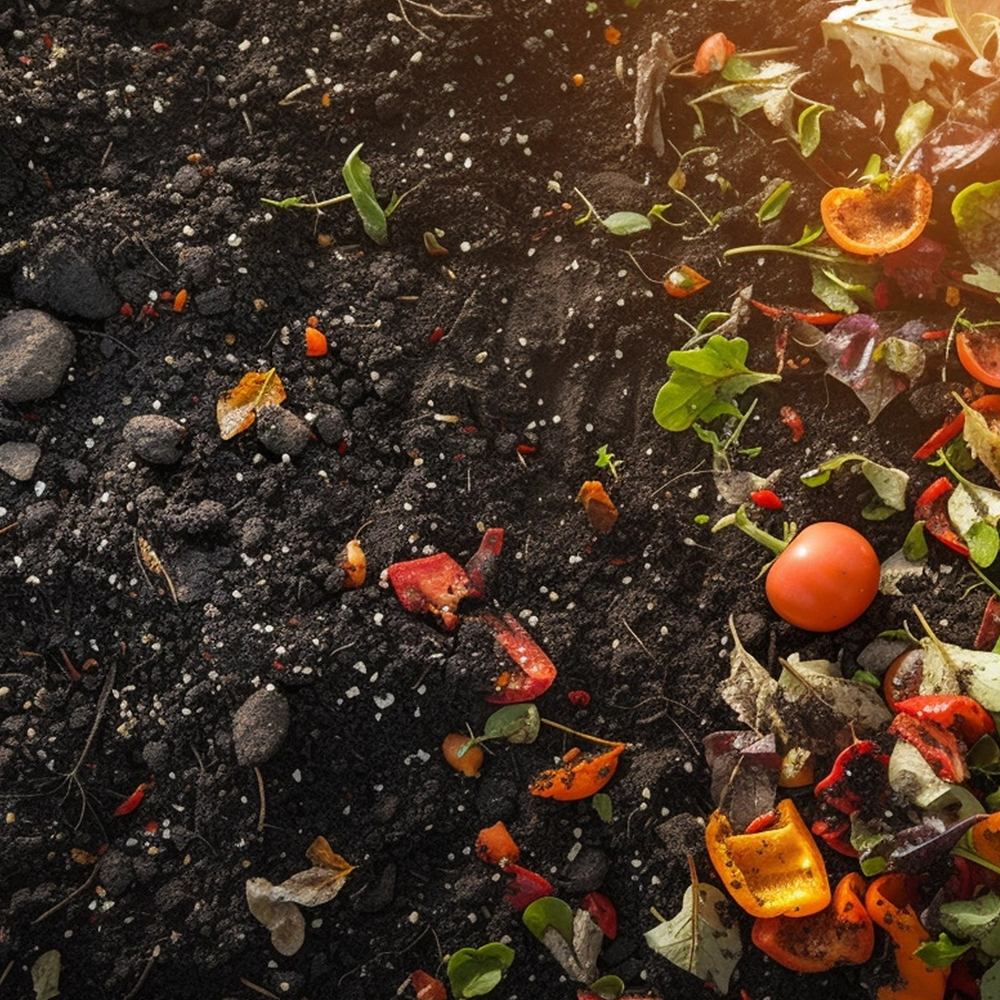
Description
Benefits of Compost in Regenerative Farming
✅ Improves Soil Fertility – Enriches soil with essential nutrients.
✅ Enhances Soil Microbiology – Encourages beneficial fungi and bacteria for better nutrient cycling.
✅ Increases Water Retention – Improves soil structure, reducing water runoff and drought stress.
✅ Reduces Erosion – Strengthens soil structure and prevents topsoil loss.
✅ Reduces Chemical Dependence – Provides nutrients naturally, minimizing synthetic fertilizer use.
✅ Captures Carbon – Helps sequester carbon in the soil, combating climate change.
✅ Suppresses Pests & Diseases – Enhances plant immunity by promoting beneficial microbes.
How to Use Compost in Regenerative Farming?
🔹 Soil Amendment: Mix 1-3 inches of compost into the topsoil before planting.
🔹 Mulching: Spread compost on top of the soil to retain moisture and reduce weeds.
🔹 Compost Tea: Brew compost in water for 24-48 hours to create a liquid fertilizer for plants.
🔹 Seed Starting Mix: Blend compost with soil for healthy seed germination.
🔹 Pasture Restoration: Apply compost to degraded pastures to enhance soil organic matter.
When to Use Compost?
🌱 Before Planting: Prepare the soil by incorporating compost for nutrient-rich growth.
🌿 During Growth Season: Apply every few weeks as a top dressing for ongoing soil nourishment.
🍂 Post-Harvest: Replenish soil nutrients and restore microbial activity for the next planting cycle.
🌞 Drought & Erosion Control: Spread compost to improve water retention and stabilize soil.
Integrating Compost with Other Regenerative Practices
🌾 Cover Cropping: Combines well with compost to fix nitrogen and improve soil health.
🚜 No-Till Farming: Preserves soil structure and maximizes compost benefits.
🌳 Agroforestry: Enhances soil fertility in tree-based farming systems.
💦 Rainwater Harvesting: Compost improves infiltration and reduces runoff.
Compost is a cornerstone of farming, restoring soil fertility and improving crop resilience. By increasing microbial diversity, organic matter, and water retention, compost supports a sustainable and self-renewing agricultural system.


