

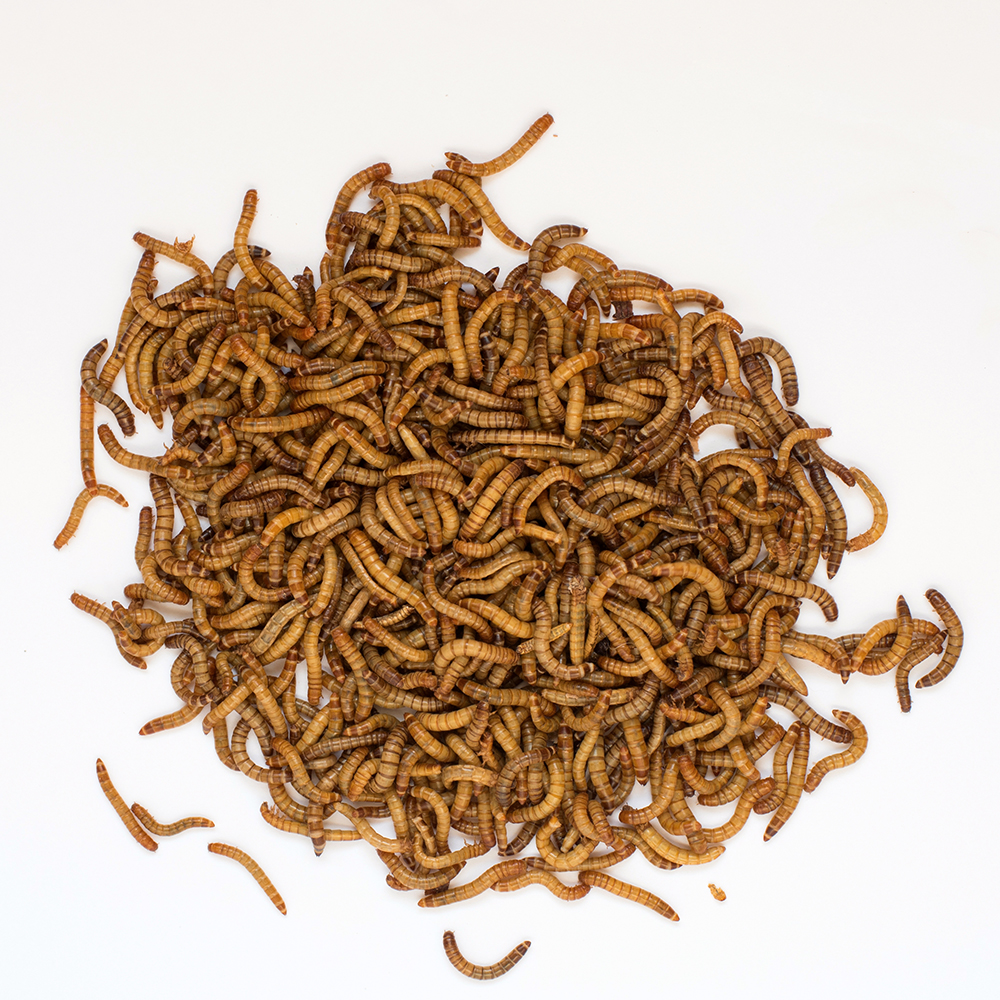
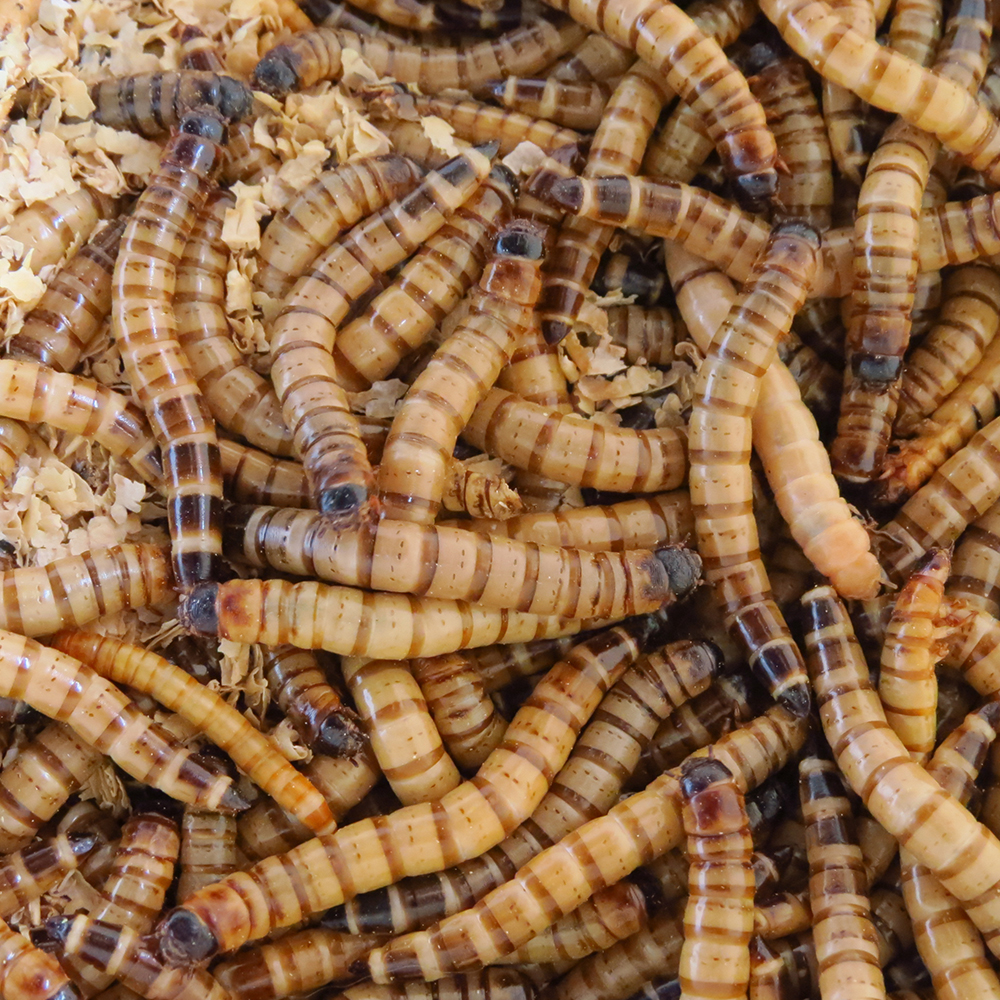
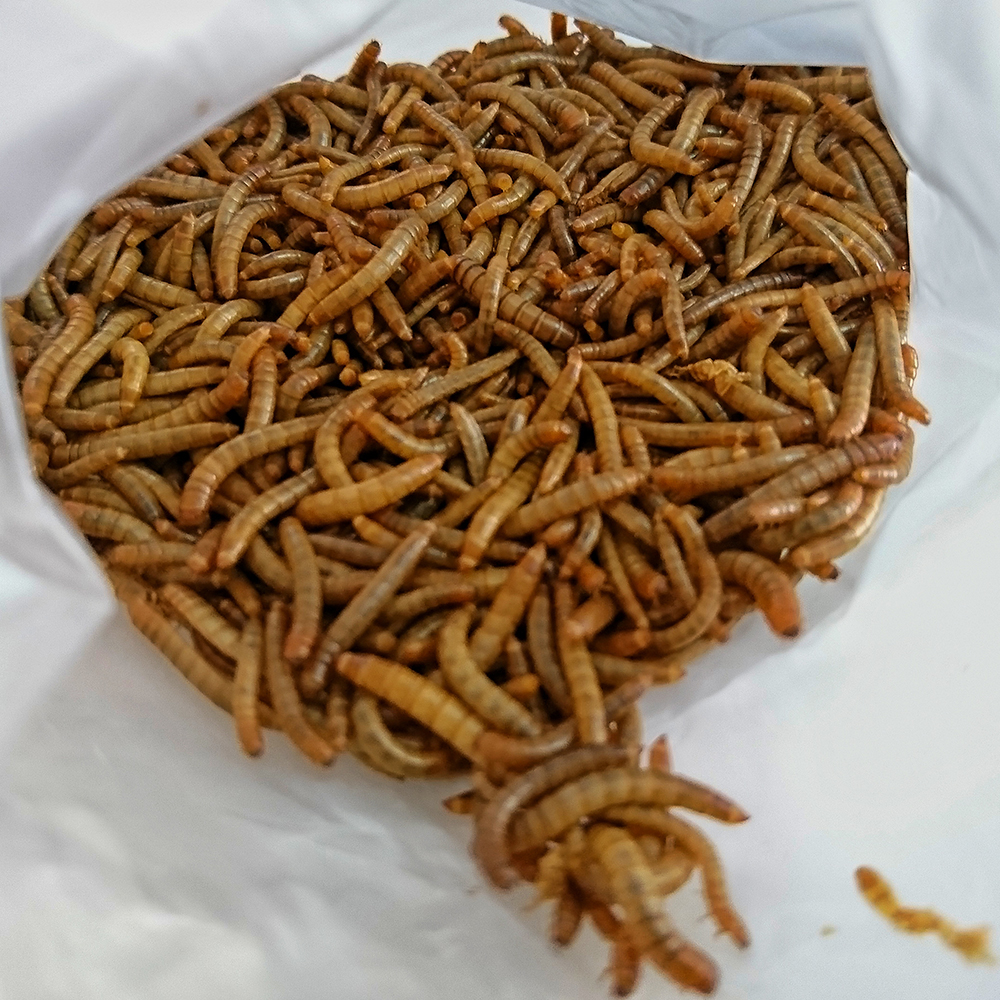
Description
Benefits of Superworms in Regenerative Farming
✅ Accelerates Composting – Breaks down fibrous and woody materials faster.
✅ Enhances Soil Microbiology – Their waste (frass) is rich in beneficial microbes.
✅ Improves Soil Fertility – Superworm frass adds nitrogen, phosphorus, and beneficial bacteria to the soil.
✅ Reduces Organic Waste – Efficiently decomposes food scraps, manure, and plant residues.
✅ Provides Sustainable Feed – High-protein food source for chickens, fish, and livestock.
✅ Drought Resistance – Frass improves soil water retention and aeration.
How to Use Superworms in Regenerative Farming?
🔹 In Composting: Add superworms to compost piles to accelerate decomposition of fibrous plant matter.
🔹 In Soil Fertility Management: Use superworm frass as an organic fertilizer by mixing it with topsoil.
🔹 In Vermicomposting: Combine with earthworms for a diverse composting system.
🔹 As Livestock Feed: Harvest superworms for high-protein chicken, fish, or reptile feed.
🔹 For Waste Recycling: Feed superworms food scraps and agricultural waste to reduce waste buildup.
When to Use Superworms?
🌱 During Composting: Add them to break down tough organic matter faster.
🌿 Before Planting: Mix superworm frass into the soil for improved nutrient content.
🍂 After Harvest: Apply frass as a post-harvest soil amendment to restore fertility.
🌞 During Dry Seasons: Use frass to enhance soil moisture retention.
Integrating Superworms with Other Regenerative Practices
🌾 Cover Crops: Combine frass with legume-based cover crops to enhance soil nitrogen levels.
🚜 No-Till Farming: Apply frass as a no-till soil amendment to boost microbial activity.
🌳 Agroforestry: Use superworms to decompose organic debris around trees and shrubs.
💦 Rainwater Harvesting: Pair frass with mulch to improve water infiltration.
Superworms are a valuable addition to regenerative farming systems. They help break down organic waste, improve soil fertility, and provide sustainable feed sources. Their frass is a powerful organic fertilizer, making them an excellent companion to compost and vermicomposting systems.
🏗 Step 1: Setting Up a Superworm Composting System
🔹 1. Choose a Container
- Use a plastic bin, wooden crate, or a large tub (at least 12 inches deep).
- Ensure good ventilation by drilling small holes on the sides and lid.
- Add a screen or mesh cover to prevent pests from entering.
🔹 2. Add Bedding
Superworms need a dry, fibrous bedding material for burrowing and feeding. Use:
✅ Coconut coir (great moisture retention)
✅ Shredded cardboard or paper
✅ Dried leaves, sawdust, or wood shavings
✅ Oatmeal, wheat bran, or cornmeal (food + bedding combo)
📌 Tip: Keep the bedding 3-4 inches deep and slightly moist (not wet).
🥗 Step 2: Feeding Superworms for Composting
Superworms consume a variety of organic materials, including food scraps, agricultural waste, and fibrous plant matter.
✅ Best Foods for Superworm Composting:
🥦 Vegetable Scraps – Carrot peels, lettuce, potatoes, broccoli stems
🍎 Fruit Scraps – Apple cores, banana peels, melon rinds (avoid citrus)
🌾 Grain Waste – Bran, rice husks, corn husks, wheat chaff
🌱 Dried Leaves & Plant Matter – Grass clippings, garden trimmings
🐄 Manure – Aged cow, horse, or chicken manure (avoid fresh manure)
❌ Avoid These Foods:
⚠️ Citrus fruits (too acidic)
⚠️ Onions & garlic (strong odor, repels worms)
⚠️ Dairy & meat (rots and attracts pests)
⚠️ Oily or salty foods
📌 Tip: Chop food scraps into small pieces to speed up decomposition.
🏡 Step 3: Managing the Superworm Compost Bin
🌀 1. Moisture & Humidity Control
- Keep moisture levels moderate—damp but not soggy.
- If too dry: Mist lightly with water.
- If too wet: Add more dry bedding (coir, shredded cardboard).
🌡 2. Temperature & Environment
- Keep at 75-85°F (24-29°C) for best growth and decomposition.
- Avoid direct sunlight—place the bin in a shaded, well-ventilated area.
♻️ 3. Harvesting Superworm Frass (Fertilizer)
- After 4-6 weeks, collect frass from the bottom of the bin.
- Sift frass through a mesh to remove uneaten bedding and superworms.
- Store in a dry place and use as organic fertilizer.
📌 Tip: Frass is rich in nitrogen, phosphorus, and beneficial microbes, making it a great soil booster.
🌿 Step 4: Using Superworm Frass in Regenerative Farming
🔹 Soil Amendment
- Mix 1-2 inches of frass into the soil before planting.
- Improves soil structure, nutrient availability, and microbial life.
🔹 Compost Booster
- Add frass to traditional compost piles to enhance microbial activity.
🔹 Compost Tea (Liquid Fertilizer)
1️⃣ Mix 1 cup of frass with 1 gallon of water.
2️⃣ Let it sit for 24-48 hours (stir occasionally).
3️⃣ Use as a liquid foliar spray or soil drench.
🔹 Mulching & Pasture Regeneration
- Apply a layer of frass around crops or degraded pasture land.
- Enhances soil moisture retention and plant root development.
🔄 Step 5: Expanding the Superworm System
If you want to scale up your system:
✔️ Add more bins for higher composting capacity.
✔️ Separate larvae, pupae, and beetles to maintain a continuous colony.
✔️ Use superworms as animal feed (chickens, fish, reptiles) to close the farming loop.
🌎 Conclusion: Superworms for a Sustainable Future
Superworms provide a natural, efficient, and sustainable way to break down organic waste, enrich soil, and support regenerative farming. Their frass is a powerful organic fertilizer, helping farmers reduce chemical inputs while improving soil health.


