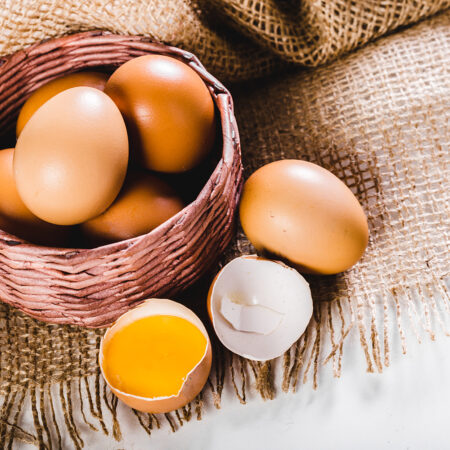
Regenerative farming chicken eggs provide significant benefits for both health and the environment. Hens raised in regenerative systems forage naturally, leading to eggs that are higher in omega-3 fatty acids, vitamins, and antioxidants. This farming method improves soil health, supports biodiversity, and reduces environmental impact through sustainable practices like rotational grazing and composting. By choosing regenerative chicken eggs, consumers enjoy healthier, more nutrient-dense eggs while supporting a food system that restores ecosystems and promotes animal welfare.
Select options
This product has multiple variants. The options may be chosen on the product page
Regeneratively farmed chicken meat is not only healthier but also more sustainable. Raised in natural environments with access to forage and diverse diets, these chickens develop leaner, more flavorful meat packed with essential nutrients like protein, B12, and omega-3s. Unlike conventional poultry farming, regenerative methods improve soil fertility, promote biodiversity, and reduce the need for synthetic inputs. By supporting regenerative chicken farming, consumers help create a more ethical, eco-friendly food system while enjoying higher-quality, nutrient-dense meat.
Select options
This product has multiple variants. The options may be chosen on the product page
Regenerative farming of pork enhances both meat quality and environmental sustainability. Pigs raised in pasture-based systems have access to diverse, natural diets, leading to more nutrient-rich, flavorful meat with higher levels of healthy fats and essential vitamins. This method improves soil health, promotes biodiversity, and reduces the environmental impact by minimizing waste and restoring ecosystems. Unlike conventional factory farming, regenerative practices prioritize animal welfare, eliminate the need for synthetic chemicals, and create a more resilient food system. Choosing regeneratively farmed pork supports ethical agriculture while providing healthier, better-tasting meat.
Select options
This product has multiple variants. The options may be chosen on the product page
Regenerative farming quail eggs offer numerous benefits, both nutritionally and environmentally. Raised in natural, pasture-based systems, these quail produce eggs that are richer in essential nutrients like omega-3s, vitamins, and antioxidants. The regenerative approach enhances soil health, promotes biodiversity, and reduces the carbon footprint by integrating sustainable practices such as rotational grazing and composting. By choosing quail eggs from regenerative farms, consumers support ethical, eco-friendly food production while enjoying healthier, more flavorful eggs.
Select options
This product has multiple variants. The options may be chosen on the product page
Regenerative farming improves quail meat quality while benefiting the environment. Quails raised in natural, pasture-based systems have access to diverse diets, resulting in leaner, more flavorful meat rich in protein, B12, and essential minerals. This farming method enhances soil health, promotes biodiversity, and reduces reliance on synthetic inputs by integrating rotational grazing and composting. Unlike conventional production, regenerative quail farming supports ethical animal welfare and sustainable land management, making it a healthier and more eco-friendly protein choice.
Select options
This product has multiple variants. The options may be chosen on the product page
Regenerative farming enhances the quality of rabbit meat while benefiting the environment. Rabbits raised in these systems thrive on diverse, natural diets, resulting in tender, nutrient-rich meat high in protein, B12, and healthy fats. Unlike industrial farming, regenerative methods focus on soil restoration, carbon sequestration, and minimal waste, making rabbit production highly sustainable. Because rabbits reproduce quickly and require less space and feed than other livestock, they offer an eco-friendly protein choice that aligns with responsible land stewardship and ethical farming practices.
Select options
This product has multiple variants. The options may be chosen on the product page
Red Wigglers (Eisenia fetida) are a species of composting worms known for their ability to efficiently break down organic matter into nutrient-rich worm castings. Unlike earthworms that burrow deep into the soil, red wigglers thrive in decomposing plant material and manure, making them ideal for vermicomposting and regenerative farming.
These worms are small, reddish-brown, and highly active in composting environments, converting organic waste into high-quality organic fertilizer known as worm castings.
Select options
This product has multiple variants. The options may be chosen on the product page
Regenerative farming focuses on rebuilding soil health, increasing biodiversity, and improving ecosystem resilience. Superworms (Zophobas morio) play a unique role in this system by breaking down organic material, enriching compost, and even serving as a protein-rich feed for livestock and poultry.
What are Superworms?
Superworms are the larvae of darkling beetles (Zophobas morio). Unlike earthworms or red wigglers, which mainly consume decomposing organic matter, superworms actively break down tougher materials, including fibrous plant waste.
Key Characteristics:
Strong Digestive System: Can break down cellulose and tougher organic materials.
Nutrient-Rich Castings: Their waste is a valuable organic fertilizer.
Multi-Purpose: Can be used for composting, livestock feed, and waste recycling.
Select options
This product has multiple variants. The options may be chosen on the product page
Duration: Half-day to full-day session (4–6 hours)
Format: Interactive instruction and hands-on design workshop
Location: Fitts Farm, Bushnell, Florida
Attire: Comfortable clothing suitable for garden and creative work
Provided: Fresh flowers, floral supplies, and take-home arrangement
As part of Fitts Farm’s Sustainable Agriculture Education Series, this course celebrates the connection between soil, season, and artistry. Participants leave with a fresh arrangement of their own creation — and the knowledge to continue crafting stunning displays that capture the natural beauty and character of every bloom.
Format: Classroom instruction and hands-on demonstration
Location: Fitts Farm, Bushnell, Florida
Attire: Comfortable clothing suitable for kitchen work
Provided: All canning equipment, jars, ingredients, and printed learning materials
As part of Fitts Farm’s Sustainable Agriculture Education Series, this class celebrates the art and science of food preservation — turning fresh harvests into shelf-stable, wholesome meals that nourish families long after the season has passed. Participants leave with both the skill and confidence to preserve food safely, responsibly, and beautifully.
Format: Classroom instruction, live demonstration, and guided participation
Location: Fitts Farm, Bushnell, Florida
Attire: Closed-toe shoes and outdoor work clothing
Provided: Tools, materials, and printed reference materials
As part of Fitts Farm’s Sustainable Agriculture Education Series, this course bridges the gap between home sustainability and professional soil management. Participants leave with a deep understanding of composting biology, practical experience in pile management, and the knowledge to transform organic waste into one of nature’s most valuable resources — living, fertile soil.