

Description
At Fitts Farm, we see worms not as simple soil dwellers, but as some of nature’s most powerful recyclers. Our Vermicomposting Course is designed to teach participants how to transform organic waste into high-quality compost and nutrient-rich worm castings using the natural power of earthworms. Whether you’re interested in starting a small household worm bin or developing a larger-scale commercial operation, this course provides both the biological understanding and hands-on skills to manage a thriving vermiculture system.
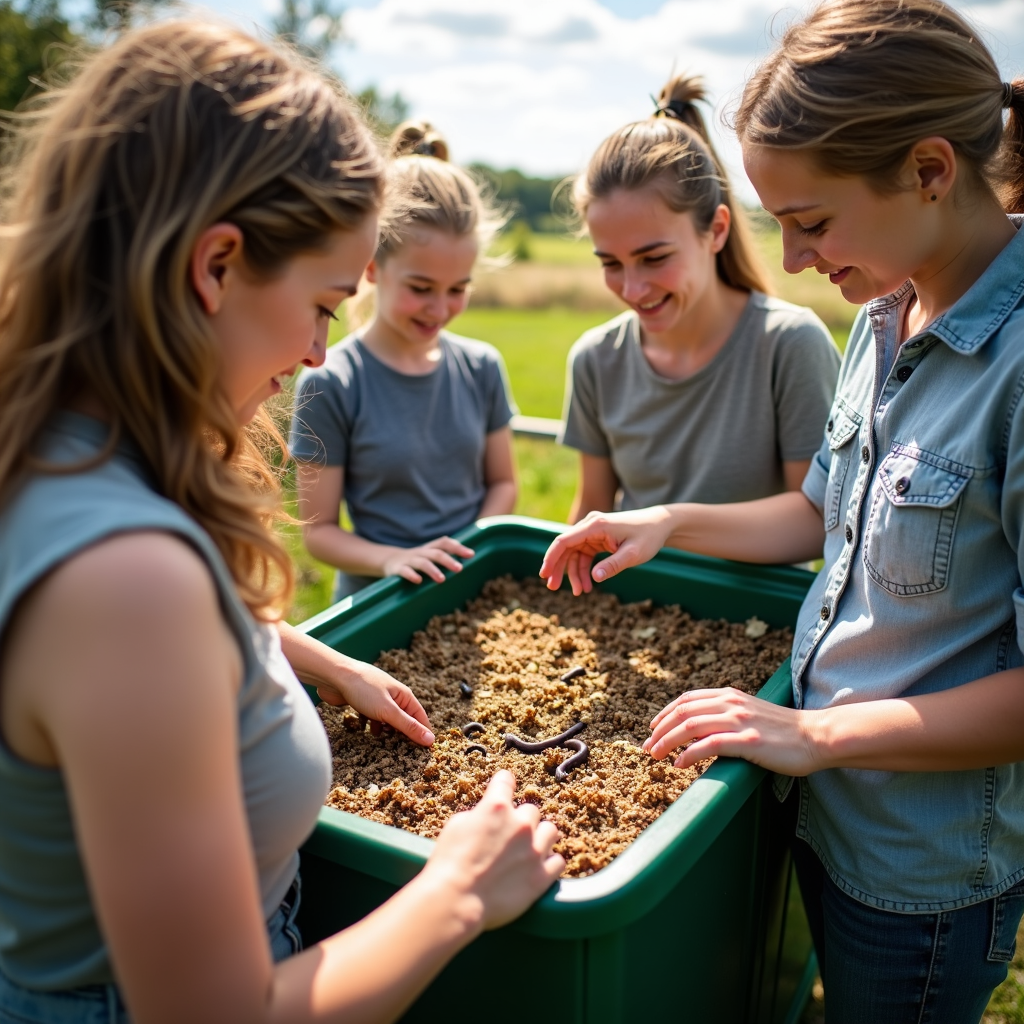
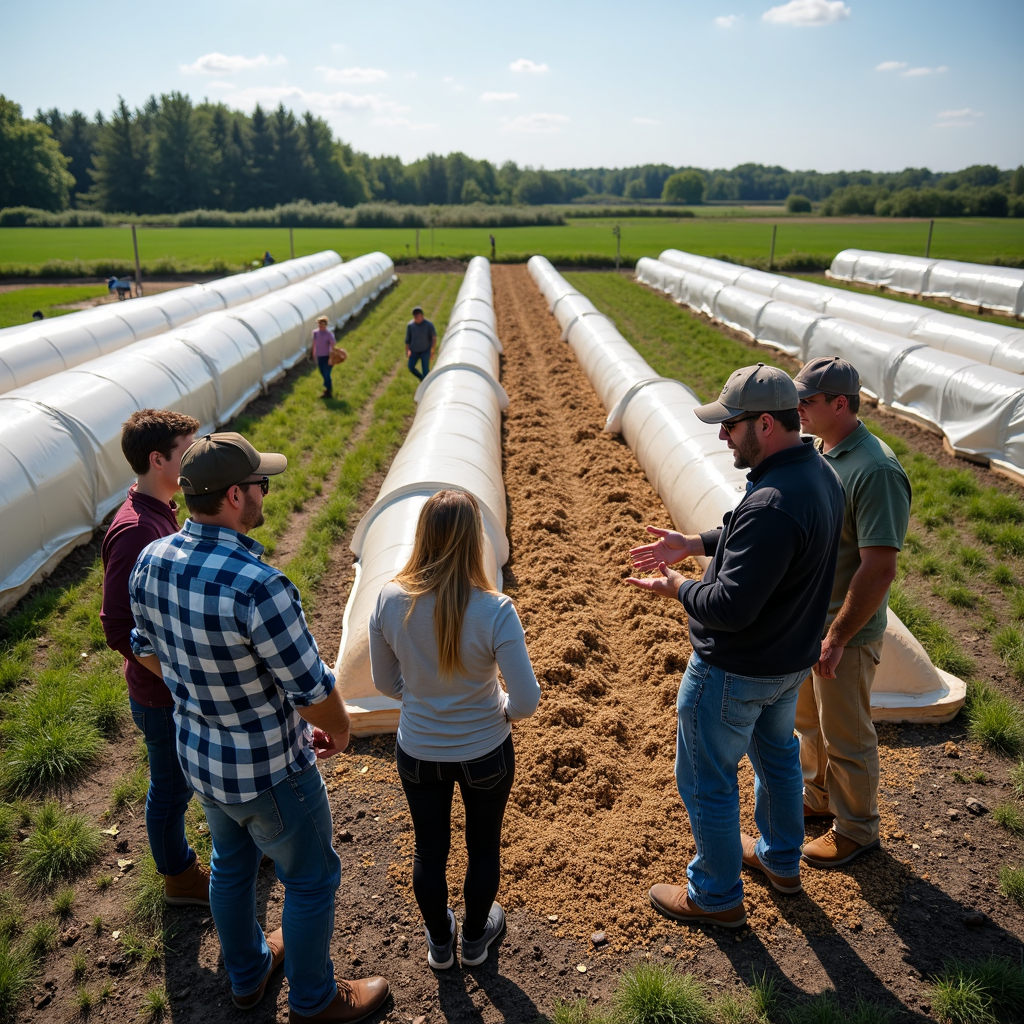
The course begins with an introduction to worm biology and environmental needs, covering species selection (such as Eisenia fetida and Eudrilus eugeniae), feeding requirements, and bin design. Participants will learn how to create and maintain an ideal worm habitat — balancing moisture, bedding, and temperature for optimal reproduction and composting efficiency. We’ll explore small-scale systems suitable for home or classroom use, as well as larger continuous-flow and windrow-style systems for farms or commercial operations.
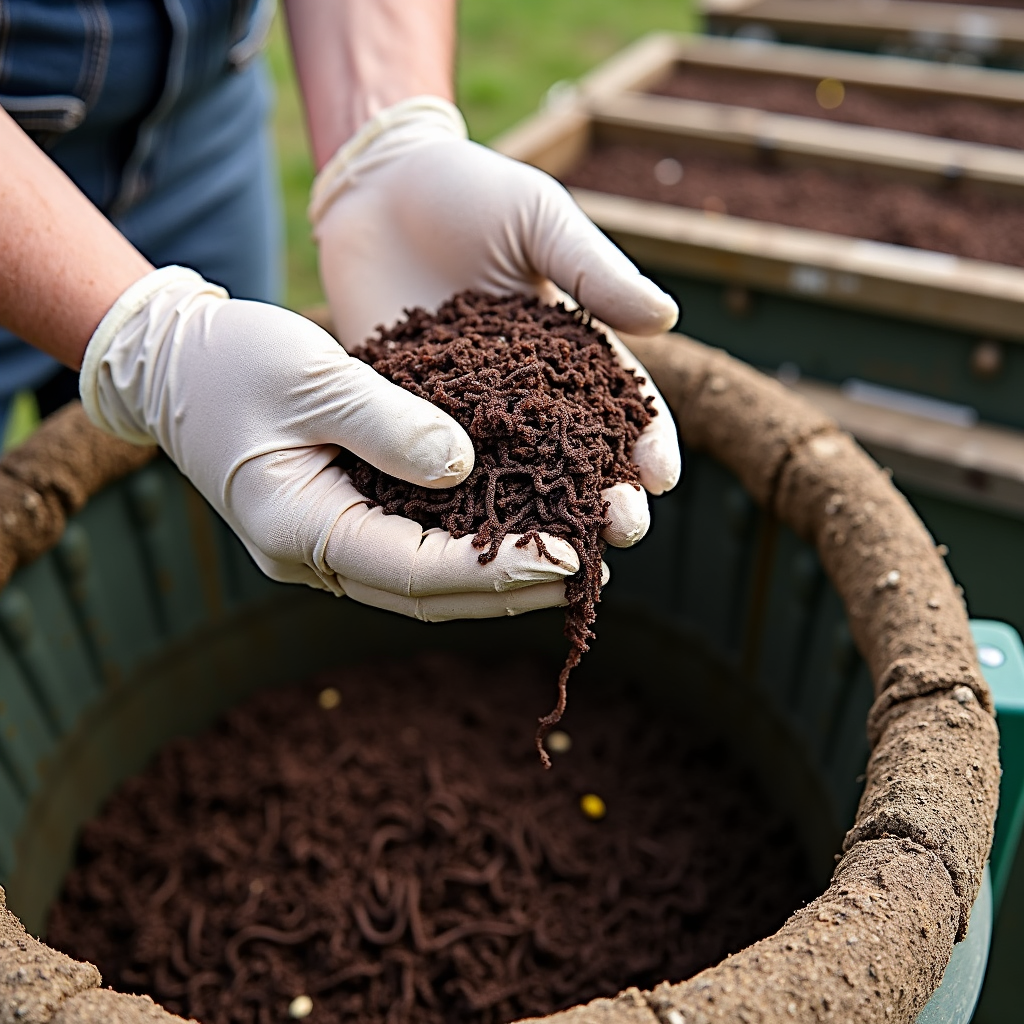
Students will also gain insight into harvesting methods, casting quality evaluation, and how to use or market the finished vermicompost. Special focus is given to integrating worm systems with existing farm operations, using animal bedding, manure, and plant waste to close nutrient loops and reduce waste.
Course Topics Include:
- Worm biology, species identification, and habitat requirements
- Setting up and maintaining small-scale worm bins
- Large-scale vermicomposting systems and management techniques
- Feeding strategies and moisture management
- Harvesting worms and castings for reuse or sale
- Preventing odor, pests, and common system failures
- Using worm castings and compost tea in gardens, pastures, and soil restoration
- Integrating vermiculture into regenerative farm operations
Who Should Attend:
This course is ideal for gardeners, homesteaders, educators, small farmers, and agricultural entrepreneurs interested in sustainable soil-building techniques. Whether you’re maintaining a kitchen-sized worm bin or managing a large production system, this class will equip you with the practical knowledge to succeed.


Reviews
There are no reviews yet.